Are disposable cameras at a wedding worth it? An honest answer
Updated 16 November 2026
They're worth it if you want real film and you're happy to pay for every frame, wait for the lab and get a mixed bag back. If what you mostly want is plenty of photos of everyone, your guests' phones do that better, and a few real cameras alongside a phone roll often beats either one alone.
The short verdict
It depends less on the cameras than on your wedding.
Worth it if:
- You love real film, and the surprise of not knowing what you got.
- Much of the day happens in daylight or a well-lit room.
- Some guests don't carry smartphones, or plenty of children are coming.
Probably not, if:
- The heart of the day is an evening reception in a dim room.
- Your guest list is large, so the bill grows with every table.
- You want everyone's photos together within a day or two.
What they really cost
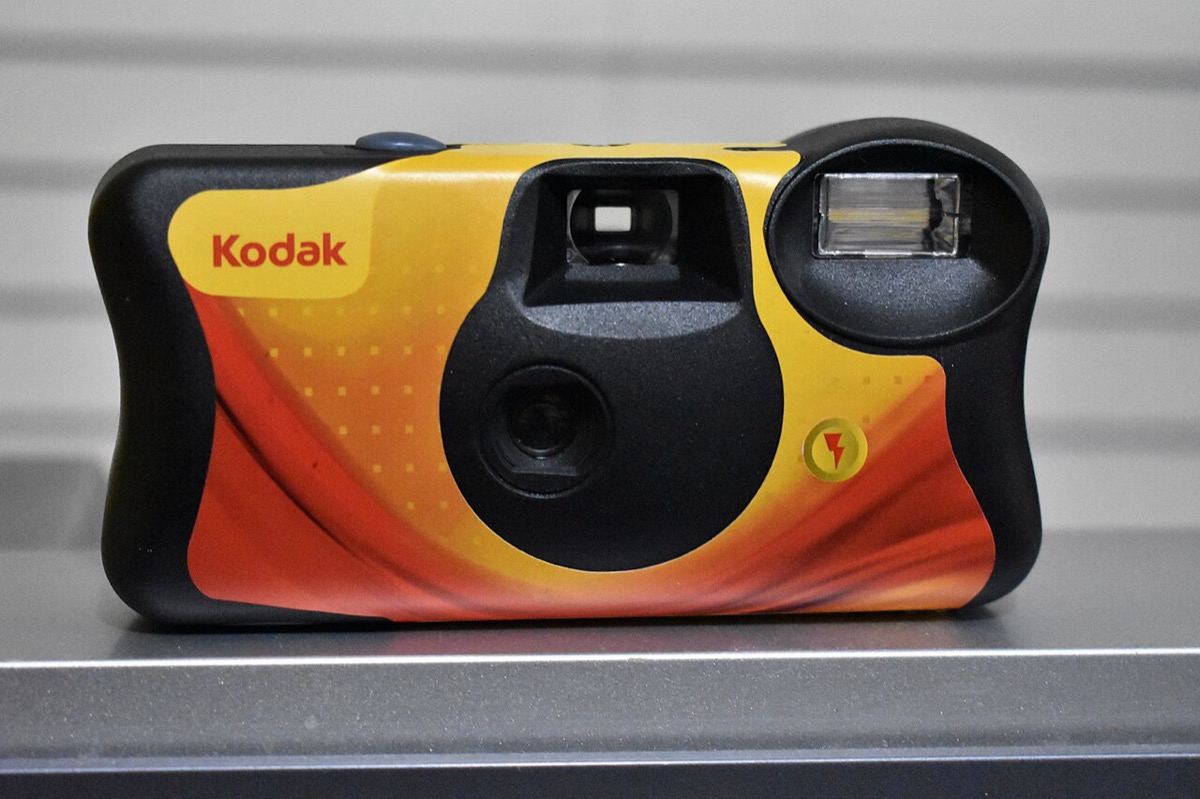
Every camera is two bills: the camera, then the developing. In 2024, a single-use camera cost about $15 to $20 (SlashGear's June price check), and Digital Camera World put Kodak's FunSaver at around $16. Developing at the mail-in labs we checked in November 2026 starts at $7.50 at Dwayne's Photo and $17 at The Darkroom, before prints or extras.
Put together, that's roughly $22.50 to $37 per camera. Spread over 27 shots, it's about $0.83 to $1.37 per frame, and you pay for every frame whether or not it comes out. One wedding photographer puts it bluntly: the lab charges the full price whether one picture or all 27 turn out.
Two costs are easy to miss: cameras that go home in a pocket, paid for and never developed, and half-used rolls, which cost the same to develop as full ones. The camera prices above are from 2024, so check today's before you budget. To see the total for your guest list, put your quotes into the disposable camera calculator. Our guide to how many disposable cameras you need covers the count itself.
How many photos come back usable?
You'll see confident percentages online, mostly on pages selling an alternative. We haven't found anyone who measured it, so we won't give a number. What couples report varies widely. On one long-running WeddingWire thread, the first poster said they threw away more pictures than they kept. Others replied that most of theirs turned out well, and one said her sister's favourite photos of the day came from the table cameras.
The difference usually comes down to light and distance. A typical disposable has one fixed setting. Kodak's FunSaver, for example, shoots at 1/100th of a second at f/10 on ISO 800 film, and Digital Camera World's reviewer found its flash "all but essential" indoors. That flash covers about 1.2 to 3.5 metres (4 to 11.5 feet). Inside that range, with the flash on, results can be lovely. Outside it, or with the flash off, a dim reception comes back murky.
The common problems, and what helps
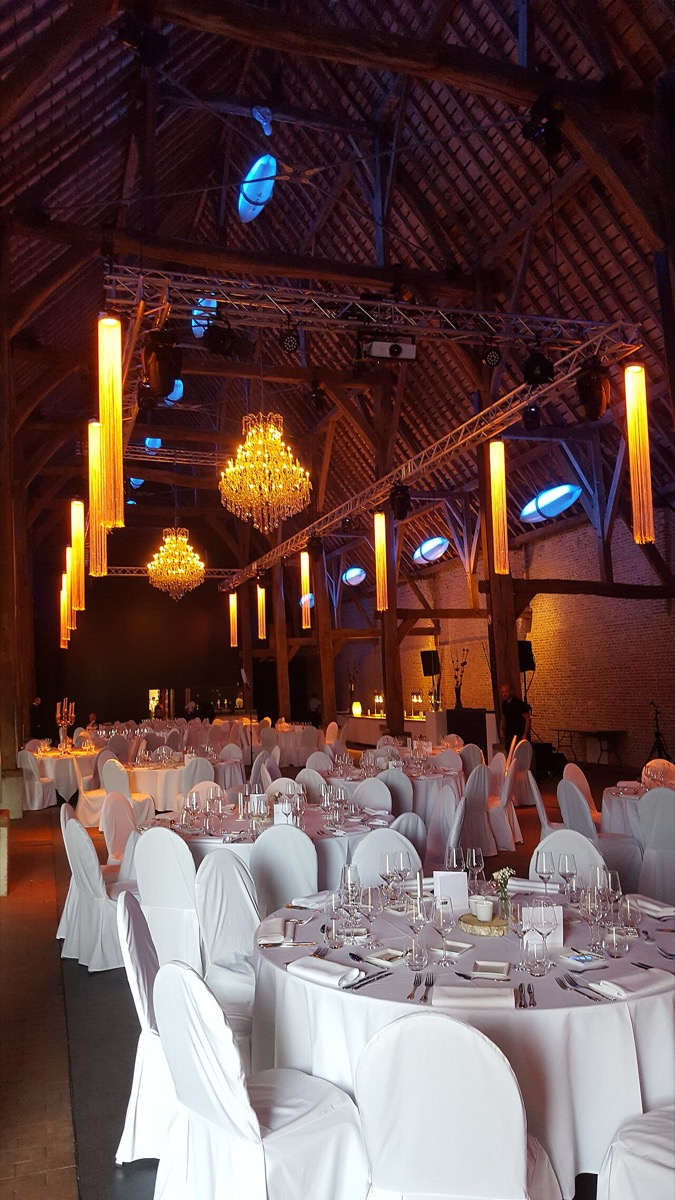
- Dark indoor photos. Guests forget the flash, or shoot across the room. A scan can lighten a dim frame a little, but can't add detail that never reached the film. What helps: a card on each camera, and a few cameras out during the drinks reception, while there's daylight.
- Cameras left on tables or taken home. What helps: one person from the wedding party in charge of collecting them, a count before anyone leaves, and a reminder in a speech to hand them in.
- Kids using up the rolls. One WeddingWire poster described a whole camera of nothing but kids. Easy Weddings suggests giving children cameras anyway: you'll get some floor, and some of the day through a child's eyes. What helps: give the children's table its own camera.
- Half-finished rolls. What helps: finish them at the after-party or next day's brunch.
- Novelty "wedding" cameras. One wedding photographer warns that wedding-branded cameras can carry old film, a tired flash battery or fewer than 27 shots, and suggests sticking to Kodak or Fujifilm. What helps: check the number of shots and the date on the box (here is what the date on a disposable camera means), and test one camera before the day.
- The weeks of waiting. The lab is fairly quick: The Darkroom quotes 2 to 5 days in the post and 2 to 4 days to develop and scan. The slow part is people collecting the cameras, choosing a lab and posting them, often after the honeymoon. What helps: pick the lab and the person before the wedding. Here's where to develop disposable cameras and what each option sends back.
Wording for the card on each camera:
Turn the flash on and wait for its light. Stand two big steps back. Take a few, then pass it on!
Want to try it? SEENCAM gives your guests one QR code. They shoot from their own phones with no app to download, and every photo develops together when the roll opens. Free for up to 10 guests.
Get SEENCAM on the App StoreWhat film does that an app can't
To be fair to the little plastic camera, some of what it offers no app can copy:
- It's real film. The grain and colour come from the film itself, not a filter. (Here's what makes a phone photo look like film, and where the difference shows.)
- It needs nobody's phone. Film and battery are built in, so children, grandparents and anyone with no smartphone, or a flat one, can join in.
- It's a thing to hold. Passing it round the table is part of the fun, and there's no screen, no retake and no delete.
- Negatives you can keep. From a lab that returns them, you can have new scans or prints made years later.
When an app, or a mix, works better
Guests' phones solve most of the problems above. A phone adjusts to the room where a disposable has one setting, nearly everyone already carries one, and nothing needs collecting at the end of the night. The trade is that it isn't film, and it needs a phone in every hand.
That's why a mix often works best: a phone roll for everyone, plus a handful of real cameras where they matter most. One for the children's table, one for the grandparents, and one for the wedding party while getting ready, usually in good daylight. You keep the film for the price of a few cameras rather than one for every table.
Before you decide, ask yourselves:
- Will most of the photos be taken in daylight or after dark?
- Who will collect the cameras, and who will post them to the lab?
- How soon do you want to see everyone's photos?
- Is film the point, or is it the fun of guests taking pictures?
How SEENCAM does it
SEENCAM keeps what people love about the disposable camera and drops the collecting, posting and per-camera bill. You start a roll in the iPhone app and share one QR code or link. Guests scan it and shoot from their own phones, with no app to download and no account: the camera opens as an App Clip on iPhone and in the browser on other phones.
- Limited shots, like a real roll. You choose how many shots each guest gets, so nobody can use up everyone else's.
- No peeking. Guests can't look back during the party. The photos stay hidden until the time you choose: during the event, when it ends, or 12 or 24 hours later. Then the whole roll opens for everyone at once.
- Nothing to collect. Every photo goes straight into your event's roll as it's taken. No cameras to count, nothing to post.
- A film look. Guests pick from eight film camera looks on a wheel beside the shutter and see the look before they shoot. Holding the shutter records a 4-second clip.
- One decision on cost. Every roll is free for up to 10 guests. Bigger rolls, for up to 25, 50, 100, 150, 200 or unlimited guests, are a one-time purchase for that roll, with no subscription, and you can add guests after the roll has started. Guests never pay.
To be fair to film: SEENCAM's looks are film looks on digital photos, not film, there are no negatives, and every guest who shoots needs a phone. That's why a roll on everyone's phone and a few real cameras for the children and grandparents make a good pair. There's a side-by-side table in disposable camera app for weddings: how it works.
Sources
- Kodak Funsaver Single Use Camera review: bring on the fun of film, Digital Camera World
- Can You Still Get Disposable Cameras, And How Much Do They Cost To Develop?, SlashGear
- Disposable Camera Developing by Mail, The Darkroom
- Services, Dwayne's Photo
- Disposable Cameras for Weddings: Don't Do It, The Drunk Wedding Photographer
- Disposable cameras a definite no (forum thread), WeddingWire
- Disposable wedding camera tips, Easy Weddings
Related guides
Keep the surprise, skip the lab
Start a roll on your iPhone and share one QR code. Guests shoot from their own phones, and every photo develops together when the roll opens. Free for up to 10 guests.
Get SEENCAM on the App Store