Will airport security ruin a disposable camera?
Updated 25 November 2026
Yes, but carry them on, never in a checked bag, and ask for them to be checked by hand. Kodak strongly advises against putting any undeveloped film through the CT scanners now used for checked bags and, more and more, for carry-ons. Disposables hold fast 800-speed film, which X-rays affect more than slower film.
The short answer
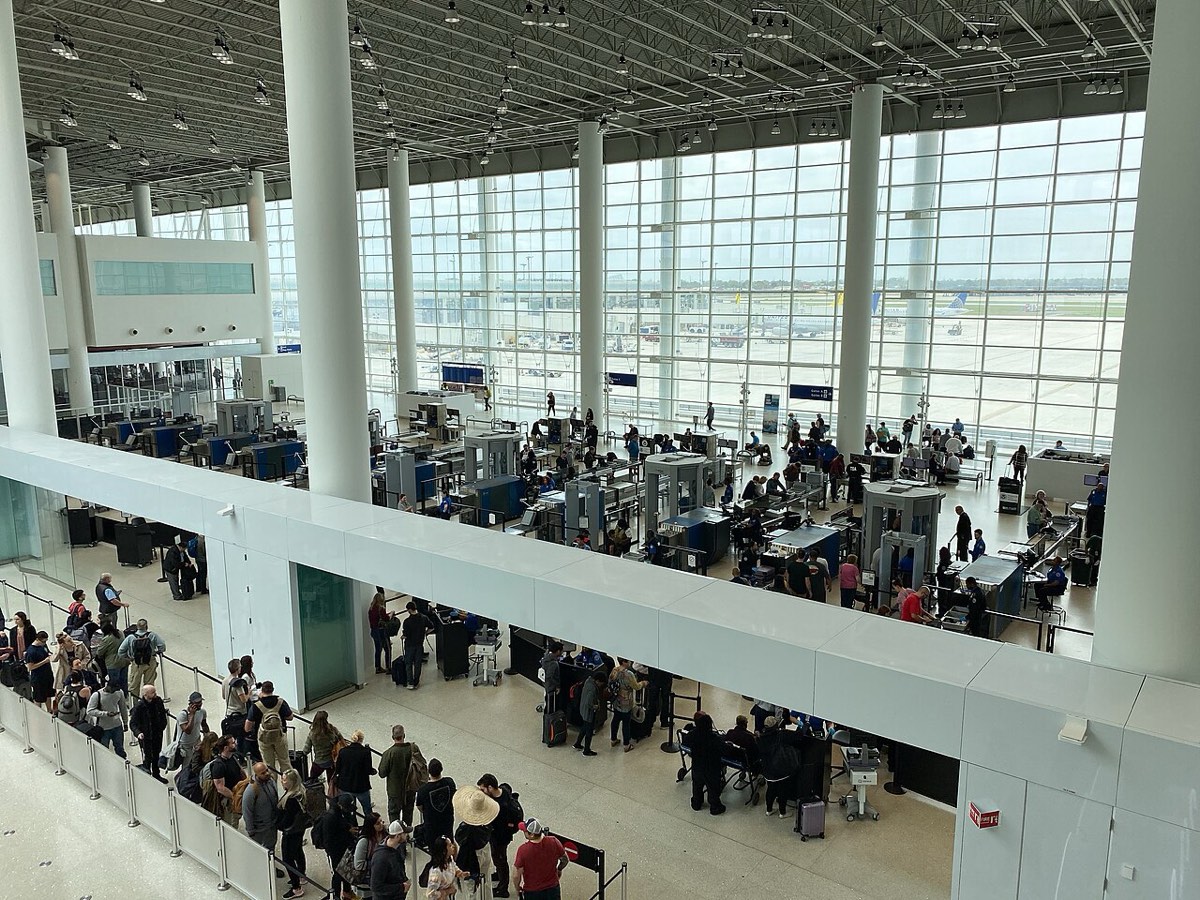
A disposable camera is allowed on a plane, in your hand luggage. The question is what the scanners do to the film inside, used or not. Both the TSA and Kodak give the same advice: keep cameras with undeveloped film in your carry-on, and ask for a hand inspection at the checkpoint instead of sending them through the machine.
Once film has been developed it's safe. Kodak notes that processed film isn't affected by X-rays, so negatives and prints can go through any scanner.
Which scanners can hurt film
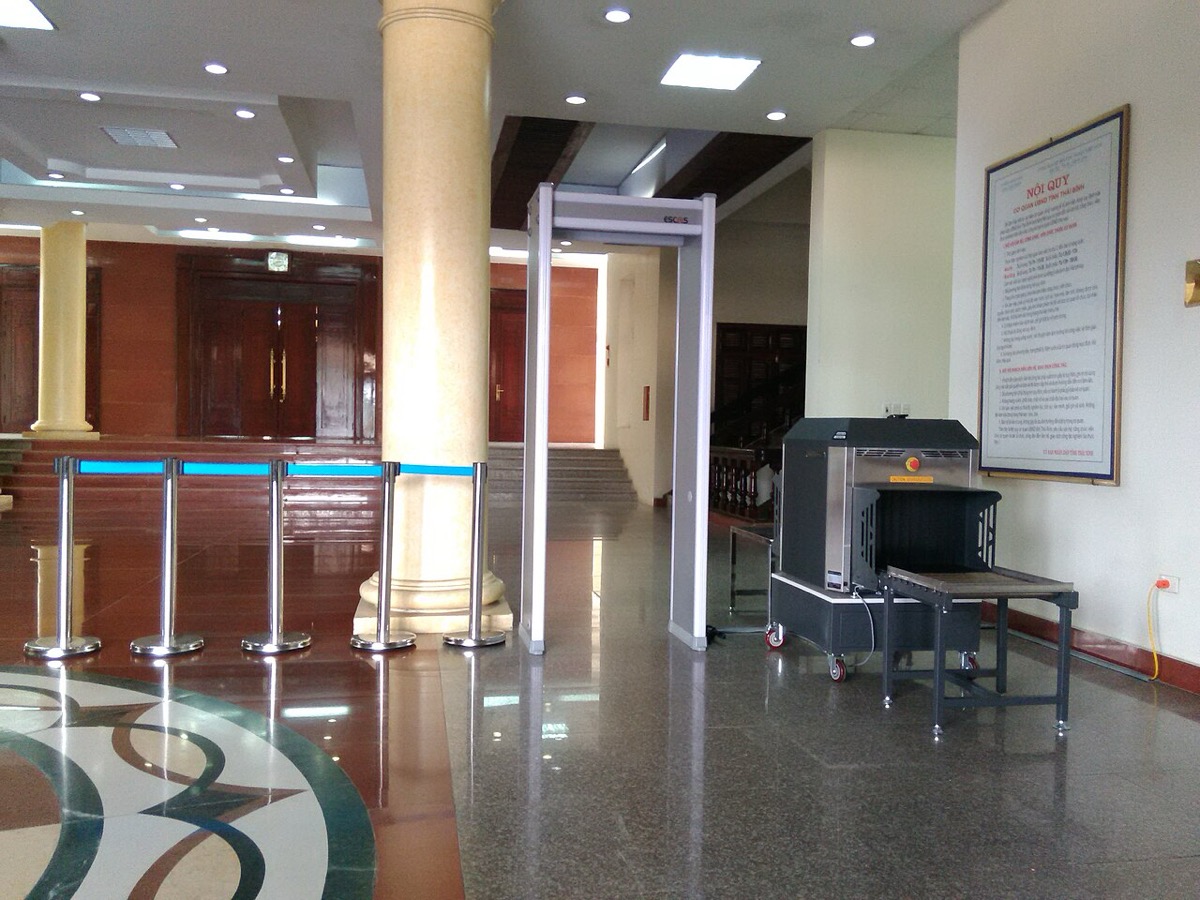
Not every machine at the airport is a problem. Here's each one, from Kodak's guidance and one test of the older machines:
| Machine | Effect on film |
|---|---|
| Checked-bag scanners | Checked bags are CT scanned. Kodak says never to check film. |
| CT scanners for carry-on bags | Kodak strongly advises against putting any undeveloped film through them. |
| Older carry-on X-ray machines (flat 2-D image) | A low dose. In a test reported by Digital Camera World, the other rolls, including Fuji Superia X-Tra 400, came through 8 to 15 passes unharmed; only Kodak T-Max P3200, a very fast film, showed light fog, after 19. |
| Walk-through and hand-held metal detectors | Not X-ray devices. They don't affect film. |
| Millimetre-wave body scanners | Use radio waves, not X-rays. They don't affect film. |
The trouble is that you often can't tell which carry-on machine you'll get. Kodak's advice is to assume that any major airport in the world now uses CT scanning.
Why disposable cameras are at more risk
- Fast film. Kodak's FunSaver, Power Flash and Daylight cameras all hold 800-speed film, and Kodak says the faster the film, the greater the effect of X-rays: more fog, more grain.
- Several flights. A camera taken to a wedding abroad goes through security at least twice, more with connections. Digital Camera World notes that repeated scans make damage more likely.
- Irreplaceable pictures. On the way out the film is blank; on the way home it holds the wedding. In 2025 Digital Camera World reported a traveller whose whole disposable camera of trip photos was ruined by an airport scanner.
CT scanners are reaching more checkpoints
CT scanners take hundreds of X-ray images from a camera spinning around your bag to build a 3-D picture, where older carry-on machines made a single flat image. They're why some lanes now let you leave laptops and liquids in your bag. The TSA has been installing them for years, and in July 2026 it announced two more at Juneau, Alaska, so they aren't only at the big hubs. Kodak says airports aim to have them at every checkpoint eventually.
If the lane you're in tells you to leave liquids and laptops in your bag, you're probably at a CT scanner. Take the cameras out first.
How to ask for a hand inspection
- Pack the cameras together in a clear, resealable plastic bag, as Kodak suggests, so they're easy to hand over. Kodak also offers printable warning labels for the bag.
- Allow extra time. A hand check takes longer than the scanner.
- Take the bag out before your things go into the scanner, and hand it to an officer instead of putting it in a bin.
- Ask politely and plainly. The decision is the officer's: the TSA says so, and Kodak notes that hand inspection isn't guaranteed at every airport.
Words you can use:
Hi, these are disposable film cameras with undeveloped film. Could they be checked by hand instead of going through the scanner, please?
Travelling abroad, it helps to check the airport's website or contact it beforehand, which Kodak strongly advises, and to have the request written down in the local language.
If a hand check isn't possible
- Develop before you fly home. Kodak suggests buying and processing film locally when hand inspection isn't possible. Ask your hotel or venue for a local photo lab.
- Post them instead. Kodak says film sent in clearly marked processing mailers from a photofinisher usually isn't X-rayed. For any other parcel, label it "Undeveloped photographic film. Please do not X-ray."
- A standard X-ray machine is the lesser risk. If the checkpoint still uses one rather than CT, a single pass is much less likely to harm film, going by the test above, though fast film is never entirely safe.
Some photographers buy X-ray protection bags, and Digital Camera World mentions them, but Kodak's own advice is the hand inspection. Never pack cameras in a checked bag to get round the problem: that's the scanner Kodak warns about most clearly.
Want to try it? SEENCAM gives your guests one QR code. They shoot from their own phones with no app to download, and every photo develops together when the roll opens. Free for up to 10 guests.
Get SEENCAM on the App StoreCameras at a destination wedding
If you're putting disposables on the tables at a wedding abroad, plan how they get home before the day.
- Buy them there if you can, so blank cameras don't fly at all.
- Collect every camera at the end of the night, and give them to one person to carry home in a single clear bag.
- Or develop them locally before anyone flies. Here's where to develop a disposable camera, and what it costs.
- Keep them cool on the way. Heat harms film too: here's how long disposable cameras last.
How SEENCAM does it
SEENCAM is a disposable camera on your guests' own phones, so there's no film to carry, protect or develop, and nothing to explain at security. You start a roll in the iPhone app and put one QR code on the tables. Guests scan it and shoot, with no app to download and no account: the camera opens as an App Clip on iPhone and in the browser on any other phone.
Each guest gets a set number of shots, nobody sees the photos until the time you choose, and guests pick from eight film looks. Every roll is free for up to 10 guests. A bigger wedding is a one-time purchase for that roll, with no subscription, and guests never pay.
Sources
- CT Scanning X-Ray Technology and Film, Kodak Alaris
- Storage and Care of KODAK Photographic Materials Before and After Processing, Kodak Alaris
- Film, TSA
- TSA installs new computed tomography screening technology at Juneau International Airport, TSA
- Airport scanner ruins travel snaps from a disposable film camera, Digital Camera World
- Do airport x-ray scanners really ruin camera film, or is it a myth?, Digital Camera World
Related guides
Nothing to get through security
Start a roll on your iPhone and put one QR code on the tables. Guests shoot on their own phones in real film looks, and every photo develops together when you choose. Free for up to 10 guests.
Get SEENCAM on the App Store